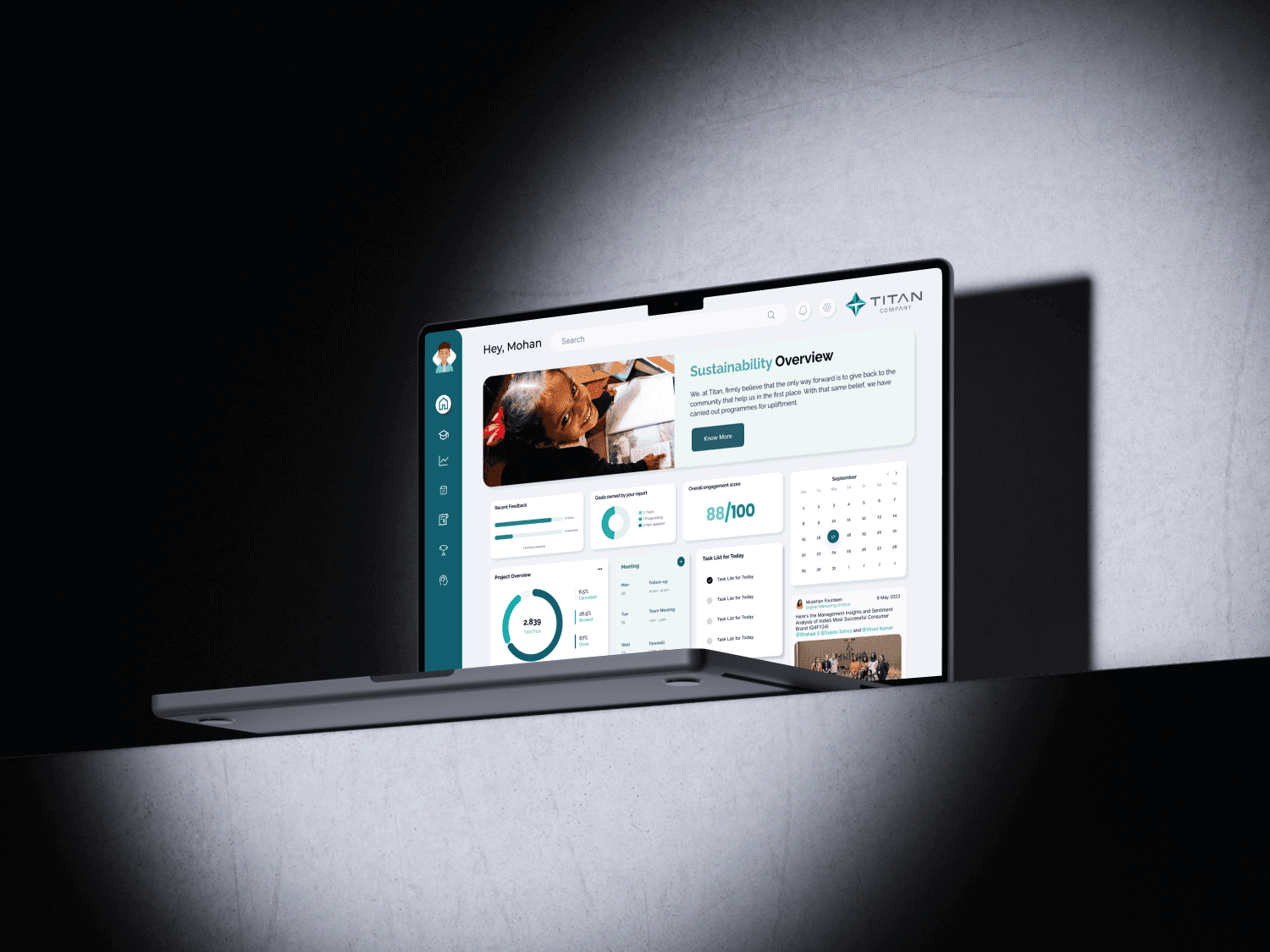
Titan - Learning management system
Taitan
Web & UI/UX
Design & Branding
Creative Process & Workflow
Service Design
[Introduction]
A well-structured Learning Management System (LMS) is critical for organizations investing in employee growth and capability building. Yet many enterprise LMS platforms rely on a one-size-fits-all model that limits personalization and reduces engagement. Employees often struggle to discover relevant learning content, managers lack clear visibility into team progress, and HR teams face difficulties measuring learning outcomes at scale.
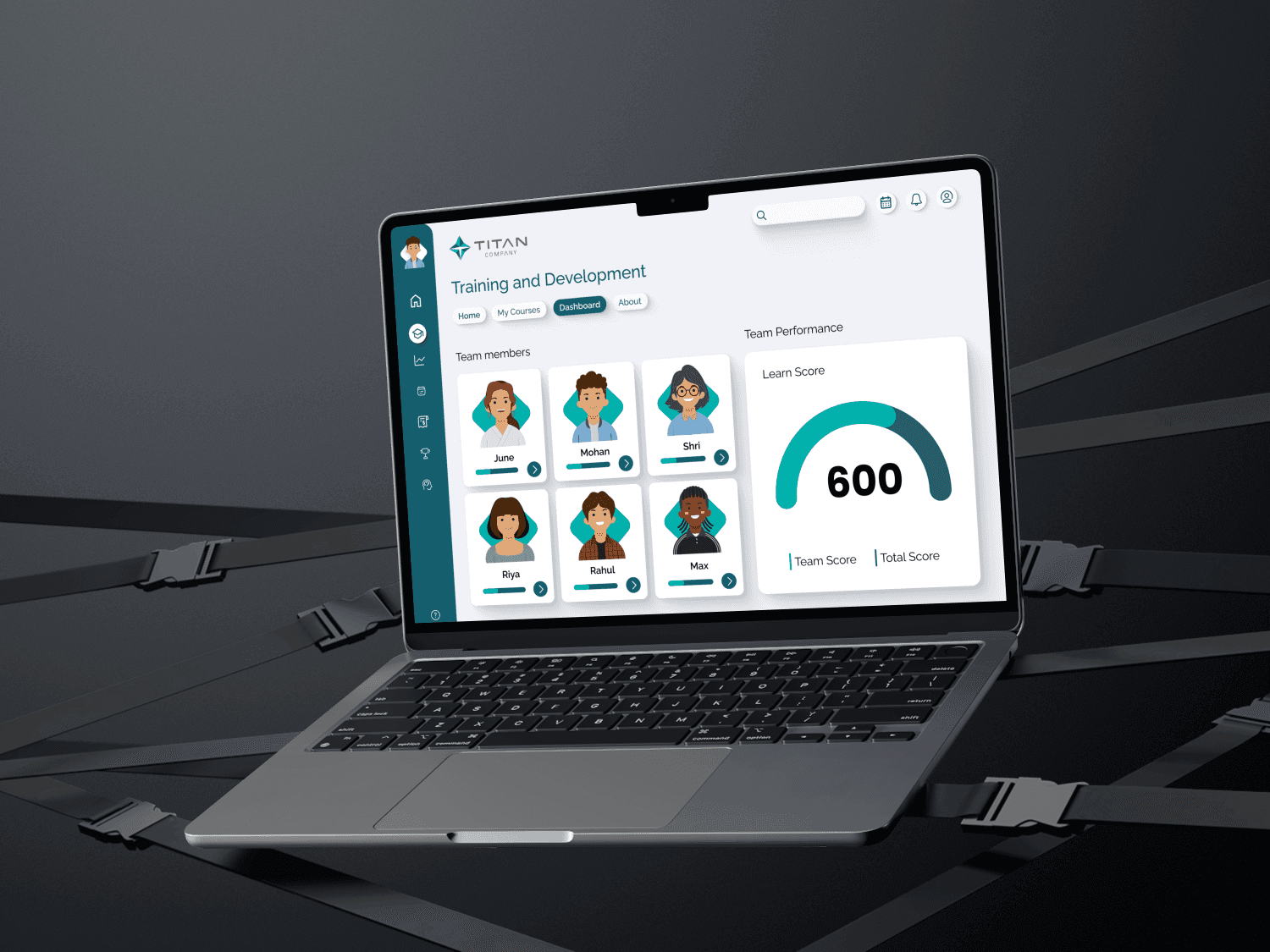
Titan LMS was designed to address these challenges in an enterprise context. The platform streamlines onboarding, supports personalized learning paths, and enables effective tracking of employee development. It empowers employees through role-specific course recommendations, progress visibility, and learning incentives, while giving managers the tools to set learning goals, assign courses, and recognize achievements across their teams.
My Role
As a UX Designer, I contributed across multiple stages of the project, including:
Design QA & Consistency – Ensuring adherence to unified design guidelines across the product
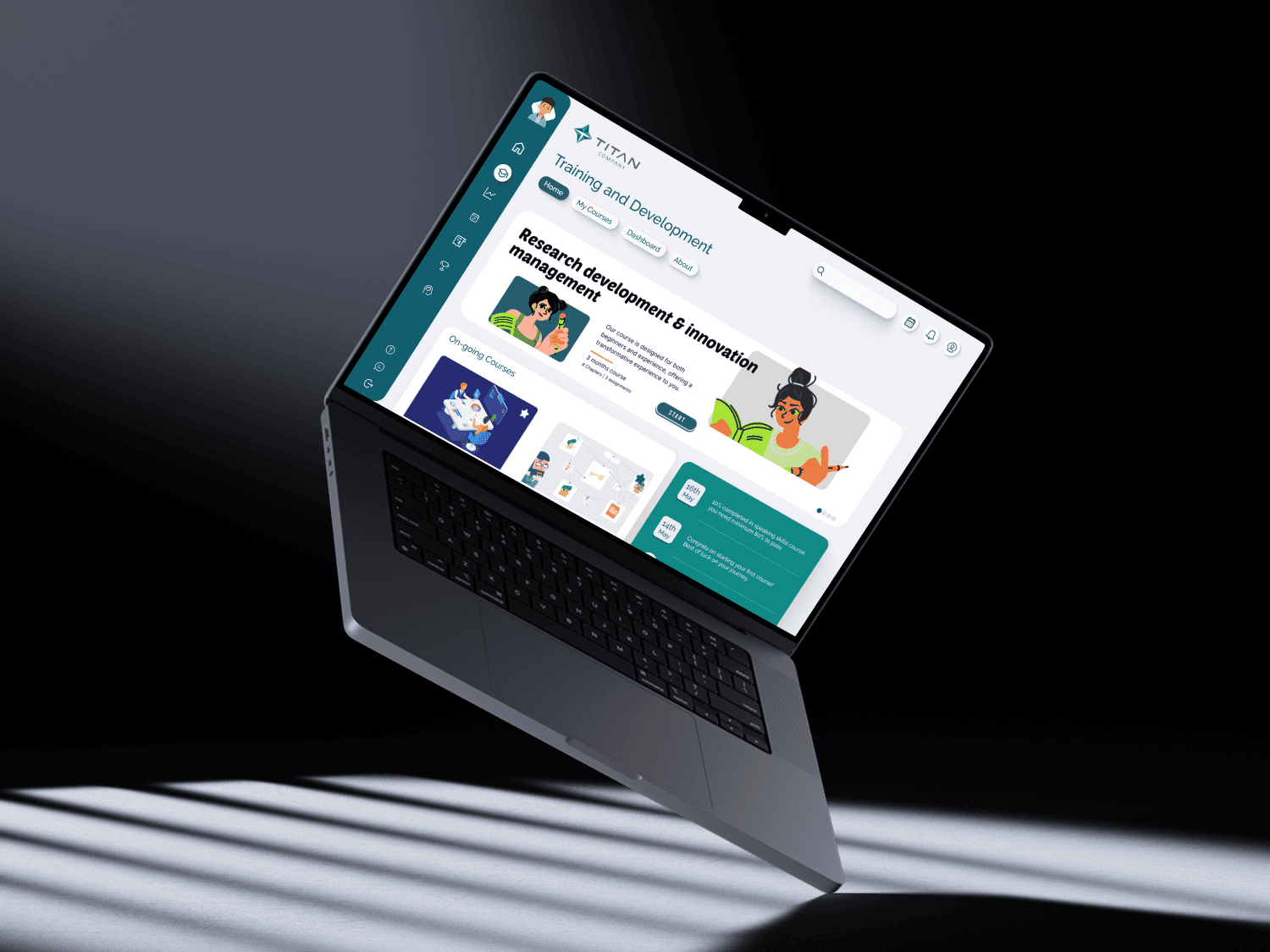
Dashboards & Core Screens – Designing intuitive experiences for learning discovery and progress tracking
Common Landing Page – Collaborating with multiple teams to define a shared entry point into the platform
Cross-Team Collaboration – Working closely with researchers, content strategists, and developers to align design with business and user needs
[Description]
Understanding the Problem
The Challenge
Through research and stakeholder discussions, we identified several recurring pain points in enterprise LMS platforms:
1. Lack of Personalization
Most LMS solutions adopt a uniform approach to learning, offering generic course catalogs regardless of role or experience level. As a result, employees struggle to discover content that aligns with their job responsibilities, skill gaps, or career goals.
2. Limited Visibility for Managers & HR
Managers and HR teams lack effective tools to monitor learning progress, assign relevant courses, or define measurable learning goals at the team and organizational levels.
3. Low Employee Engagement
Without clear progress indicators or incentives, employees often feel disconnected from learning initiatives, leading to low participation and completion rates.
4. Fragmented Learning & Organizational Knowledge
Learning content is often siloed across multiple systems. Beyond courses, employees need access to onboarding resources, company values, and policies within a single, cohesive platform to ensure a consistent learning experience.platform for a unified learning experience.
Research & Discovery
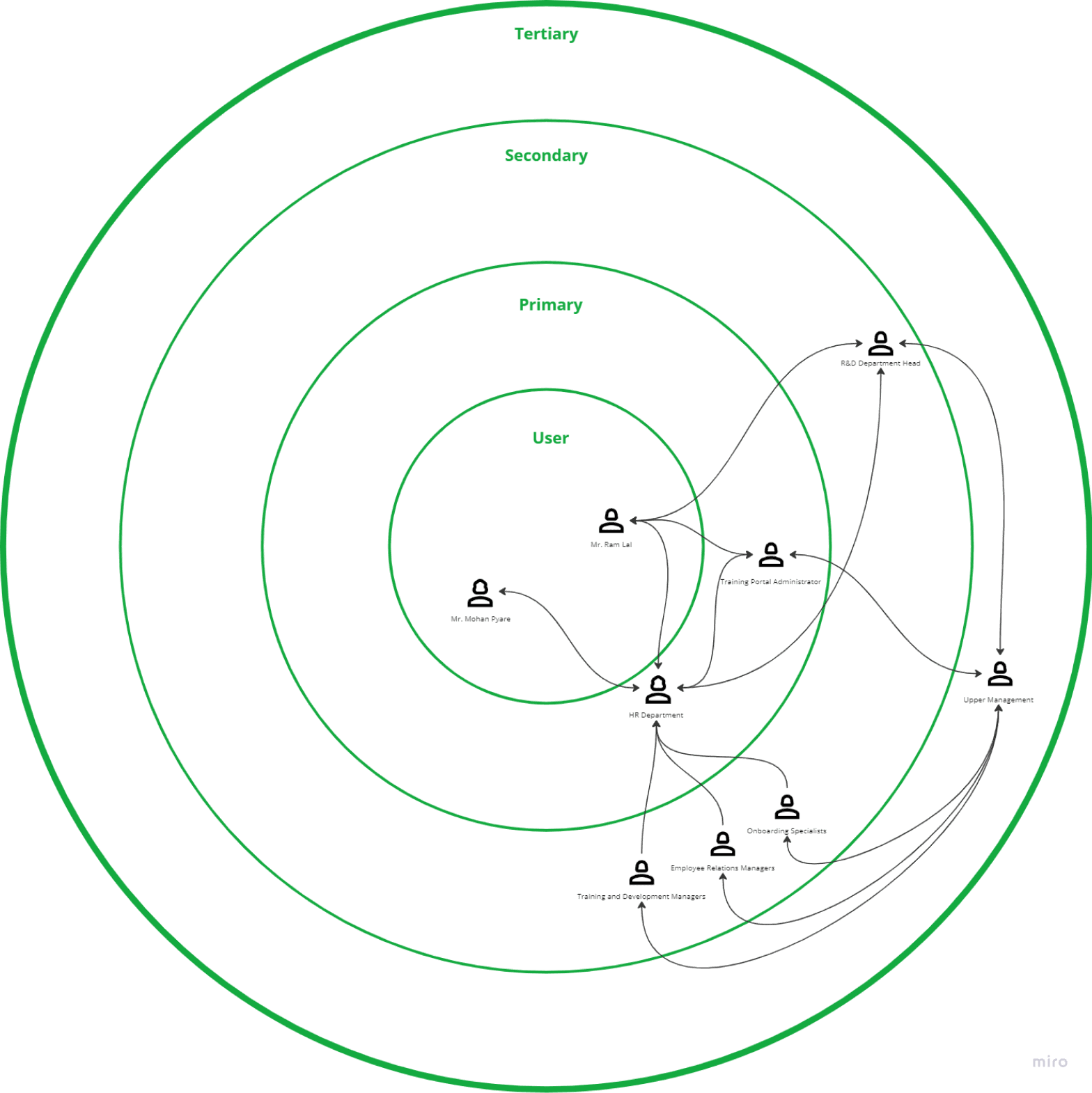
To better understand these challenges, we conducted interviews and surveys with HR professionals, managers, and employees across various roles and seniority levels. This helped us capture both strategic and day-to-day perspectives on how learning platforms are used within organizations.
Key Research Insights
Employees prefer curated learning paths tailored to their job roles and career progression
Managers need a centralized dashboard to track learning milestones and assign goals efficiently
A reward-based system (e.g., 🎓 points) can improve motivation and learning engagement
A structured onboarding journey enables new hires to adapt more quickly and confidently
Competitive Analysis
We evaluated existing enterprise LMS platforms such as Workday Learning, Cornerstone, and SAP SuccessFactors to identify gaps and opportunities. This analysis highlighted areas where Titan LMS could deliver a more seamless, engaging, and personalized learning experience—particularly around role-based learning, visibility, and engagement mechanics.
Ideation & Early Concepts
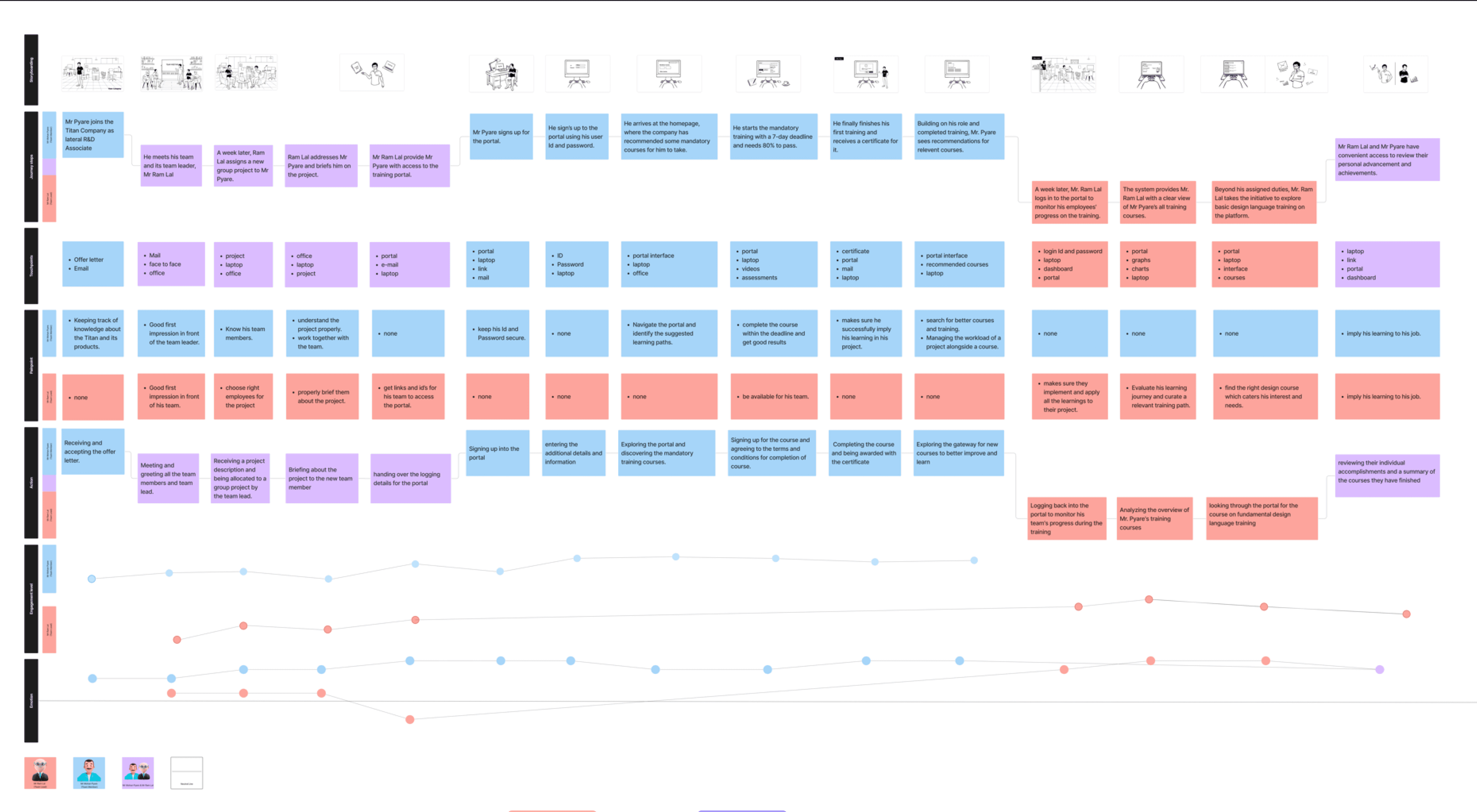
With the research insights, we began structuring the learning journey for different user roles within Titan LMS.
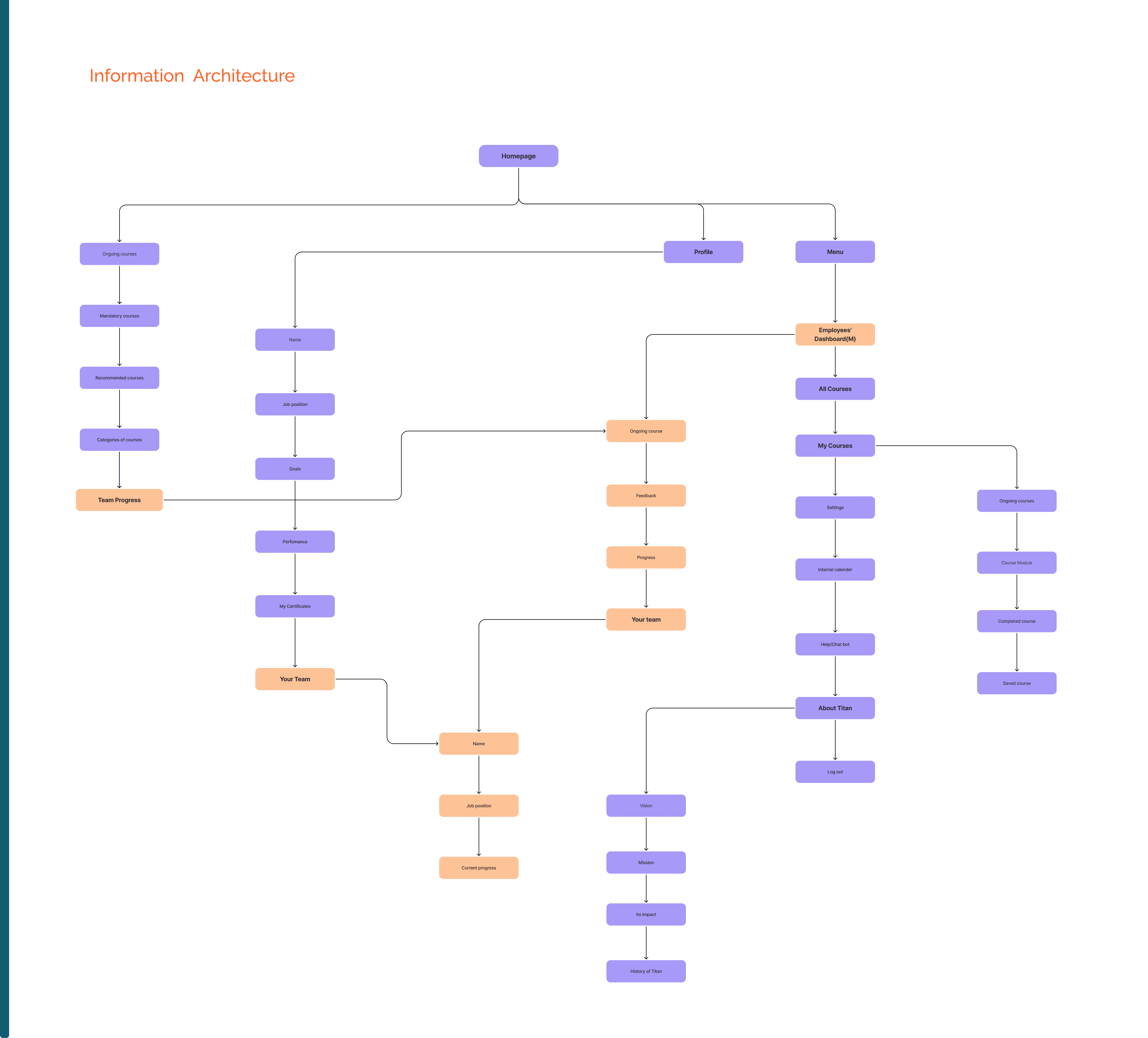
User Flows & Information Architecture
We mapped out the core experiences for:
Employees: Personalized course recommendations, progress tracking, earning and redeeming learning points.
Managers: Monitoring team progress, assigning learning goals, and recognizing achievements.
HR/Admins: Overseeing company-wide learning initiatives, managing onboarding flows, and generating reports.
Final Design & Experience
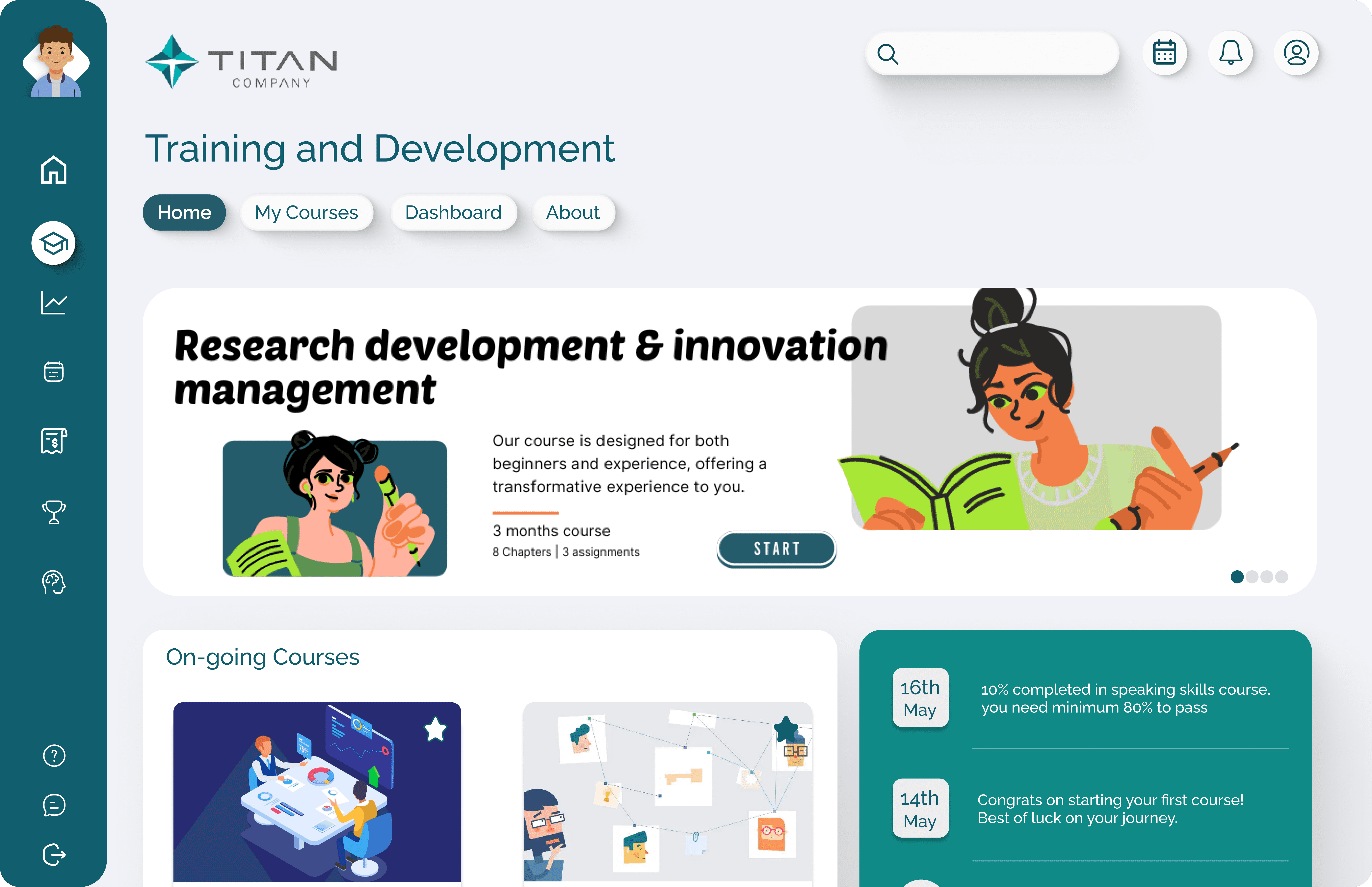
After multiple iterations, Titan LMS evolved into a scalable, engaging, and personalized learning ecosystem.
Key Features
Role-Based Learning Paths
Employees receive course recommendations based on their job role, helping them grow in their field.
Manager Dashboard & Goal Tracking
Managers can assign learning goals, monitor team progress, and provide feedback.
Learning Points & Incentives
Employees earn points for completing courses, which can be redeemed for rewards or professional recognition.
Company Knowledge Hub
New hires can access Titan’s history, mission, and policies in one place.
Impact & Results
Following usability testing and stakeholder reviews, Titan LMS successfully enhanced enterprise learning engagement.
Personalized Learning Increased Engagement: Employees were 40% more likely to complete courses tailored to their job roles.
Managers Had Greater Visibility: Performance tracking tools led to a 25% improvement in team learning completion rates.
Gamification Boosted Motivation: Employees who earned learning points were 30% more likely to take additional courses.
Key Learnings & Reflections
Personalization is Key: A structured role-based learning path significantly improves engagement.
Positive Reinforcement Works: Learning points & goal-setting helped drive continuous learning habits.
Cross-Team Collaboration is Essential: Working with HR, developers, and content strategists ensured a well-rounded user experience.
Conclusion
Titan LMS transformed enterprise learning by offering a personalized, engaging, and structured approach to employee growth. By integrating role-based learning, progress tracking, and gamification, we created a seamless learning experience that aligned business goals with employee development.
Presentation - complete research and findings